Platelets Function Disorders
Information on platelet function disorders, symptoms, diagnosis and care pathways.
Understand the condition
Clear, patient-friendly information about symptoms, risks and warning signs.
Know when to seek care
Guidance that supports early diagnosis, follow-up and treatment planning.
Support families
Education designed for patients, caregivers, teachers and communities.
PLATELETS FUNCTION DISORDERS
Understanding Inherited Platelets Disorders
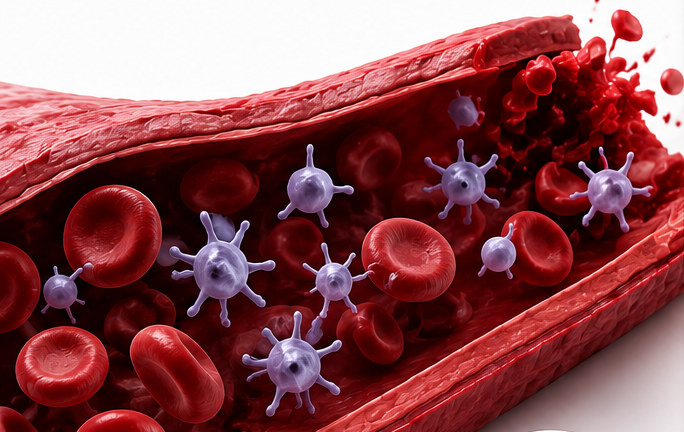
Platelets, also known as thrombocytes, are small, disc-shaped cells found in the blood. They play a crucial role in the process of blood clotting, known as hemostasis, and contribute to the repair of damaged blood vessels. When a blood vessel is injured, platelets are activated and adhere to the site of the injury, where they spread along the damaged vessel surface to form a temporary seal. This initial adhesion is followed by the release of chemical signals from granules within the platelets, attracting more platelets to the area and promoting their aggregation to form a platelet plug. This plug helps to staunch the flow of blood and initiate the clotting process.
Platelet function disorders occur when platelets do not function properly, leading to a tendency to bleed or bruise excessively. In these disorders, the platelet plug formation is impaired, resulting in prolonged bleeding even from minor injuries or cuts. Since platelets play multiple roles in the blood clotting process, platelet function disorders can manifest as bleeding disorders of varying severity. Depending on the specific nature of the disorder, individuals may experience symptoms ranging from mild bruising to life-threatening bleeding episodes.
Platelet function disorders require careful diagnosis and management by healthcare professionals specializing in hematology. Treatment may include medications to improve platelet function, blood transfusions to replenish platelet levels, or other interventions to address underlying causes of the disorder. Overall, a thorough understanding of platelets and platelet function disorders is essential for effective diagnosis, treatment, and management, ensuring optimal outcomes for individuals affected by these conditions.
what are inherited platelet disorder?
Inherited platelet disorders are a group of genetic conditions in which platelets do not form properly or do not work as they should. Platelets are essential for the first stage of clotting, so when their function is affected a person may bleed or bruise more easily than expected.
These disorders can affect platelet number, platelet structure, the release of platelet granules, or the way platelets stick together to form a plug at the site of injury.
how common are inherited platelets disorders?
Inherited platelet disorders are generally considered rare, but they are likely underdiagnosed because symptoms can be mild and may be mistaken for normal bruising, heavy menstrual bleeding, or unexplained nosebleeds. Diagnosis often requires specialist laboratory testing and clinical review.
what are symtoms of inherited platelets disorders?
Symptoms may vary from mild to severe depending on the specific disorder. Common signs include:
- Easy or unexplained bruising
- Frequent or prolonged nosebleeds
- Bleeding from the gums, especially after brushing or dental work
- Heavy or prolonged menstrual bleeding
- Prolonged bleeding after cuts, surgery or childbirth
- Small red or purple spots on the skin caused by bleeding under the skin
- Iron deficiency or anemia caused by repeated blood loss
People with suspected platelet disorders should be assessed by healthcare professionals with experience in bleeding disorders so that an appropriate care plan can be developed.
HAL supports awareness, diagnosis, treatment access and community education for people with bleeding disorders.