Awareness that helps people recognise bleeding disorders earlier
HAL raises awareness through community events, school engagement, healthcare worker training and public campaigns. These activities help families, teachers and health workers understand signs and symptoms, know when to seek help and connect people to care.
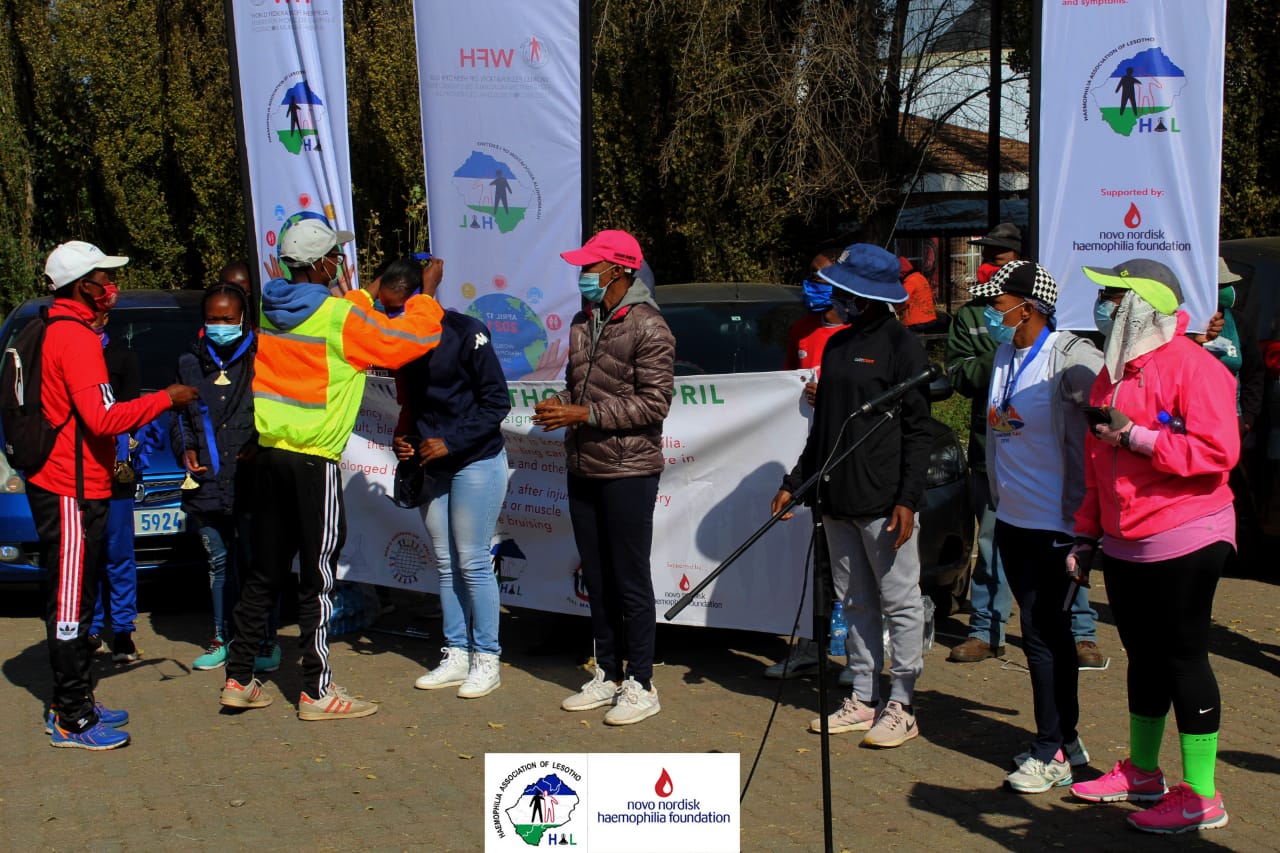
World Haemophilia Day and public campaigns
HAL uses public events and community gatherings to explain haemophilia, inherited bleeding disorders and the importance of diagnosis, treatment access and family support.
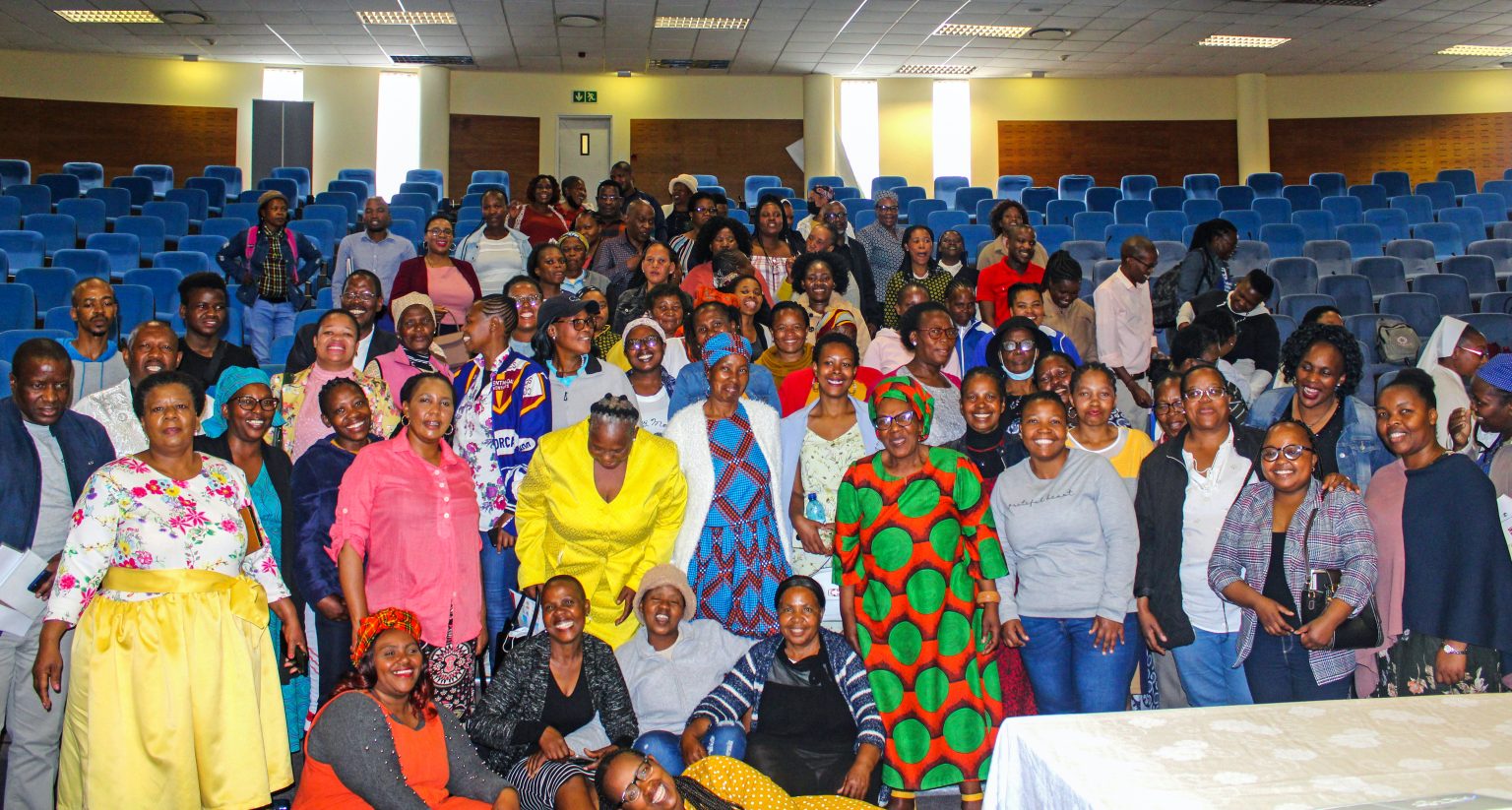
Teachers and community training
Teachers, parents and community members can often notice symptoms early. HAL works to close the awareness gap so children and families can be referred for care sooner.
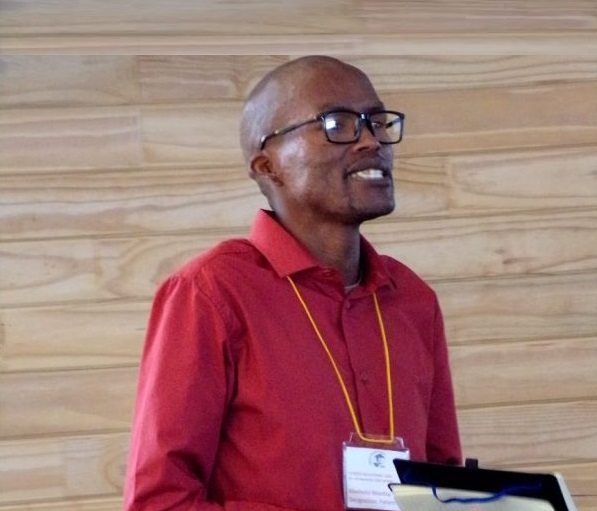
Healthcare professional training
Training sessions help doctors, nurses and other healthcare workers strengthen practical knowledge around bleeding disorders, referral pathways and patient support.
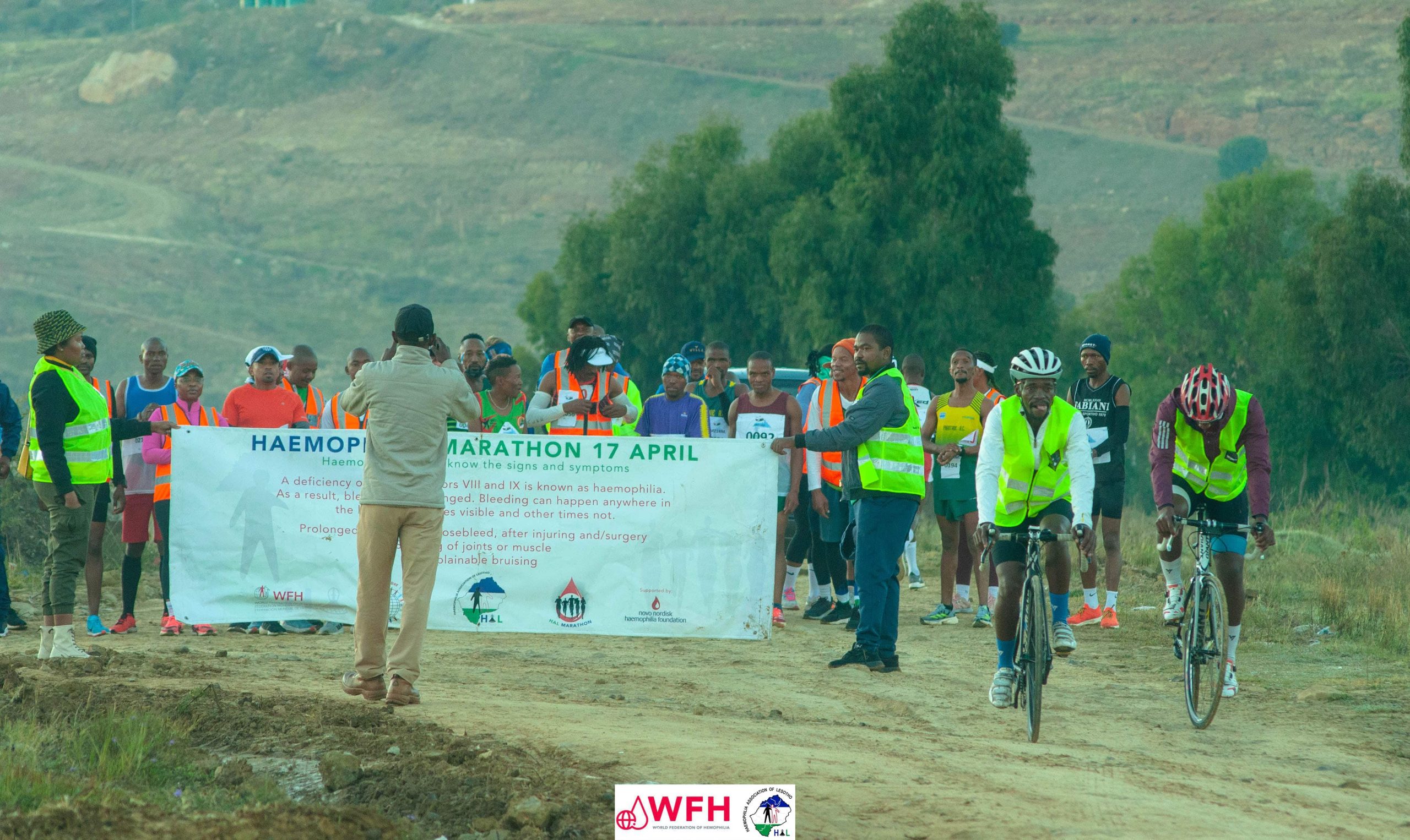
Haemophilia marathon
HAL's haemophilia marathon commemorates World Haemophilia Day and brings people together around a shared message: bleeding disorders can be recognised, treated and supported when communities have the right information.
The marathon creates space for education, visibility and connection. It helps people learn that prolonged bleeding, repeated nosebleeds, bleeding after injury or surgery, painful swollen joints and unexplained bruising can be warning signs that need medical attention.