The Haemophilia Association Lesotho (HAL) plays a leadership role in advocacy by convening the government of Lesotho to promote equitable access to care and to current and emerging treatments. HAL leverages global and regional advocacy work to strengthen national advocacy initiatives related to policy, care delivery and procurement.
The need
People with bleeding disorders face many challenges in accessing proper care. The gap between observed and expected numbers of people with haemophilia is large, making diagnosis, outreach, patient education and government collaboration essential. HAL aims to support the bleeding disorders community by addressing these needs through advocacy, partnerships and practical care pathways.
Identify 20,000 new people with inherited bleeding disorders
HAL supports efforts to increase awareness, referral, diagnosis and patient registration so that people with inherited bleeding disorders can be found and connected to care.
Improve access to care
HAL promotes training and education for patient leaders and healthcare providers on outreach, diagnosis, management of bleeding disorders and evidence-based advocacy.
Increase government support
Advocacy efforts focus on establishing and expanding sustainable national bleeding disorders care programmes in partnership with government and health facilities.
Strengthen understanding
The advocacy objective is to foster better understanding of the challenges faced by people with haemophilia and related bleeding disorders in Lesotho.
Key Advocacy Activities
HAL continues to engage partners, hospitals, ministries and regional organizations to strengthen diagnosis, treatment access and patient support.
WFH Africa BD Declaration 2021
HAL aligns its national advocacy work with regional calls for improved recognition, diagnosis, treatment and sustainable care for people with bleeding disorders across Africa.
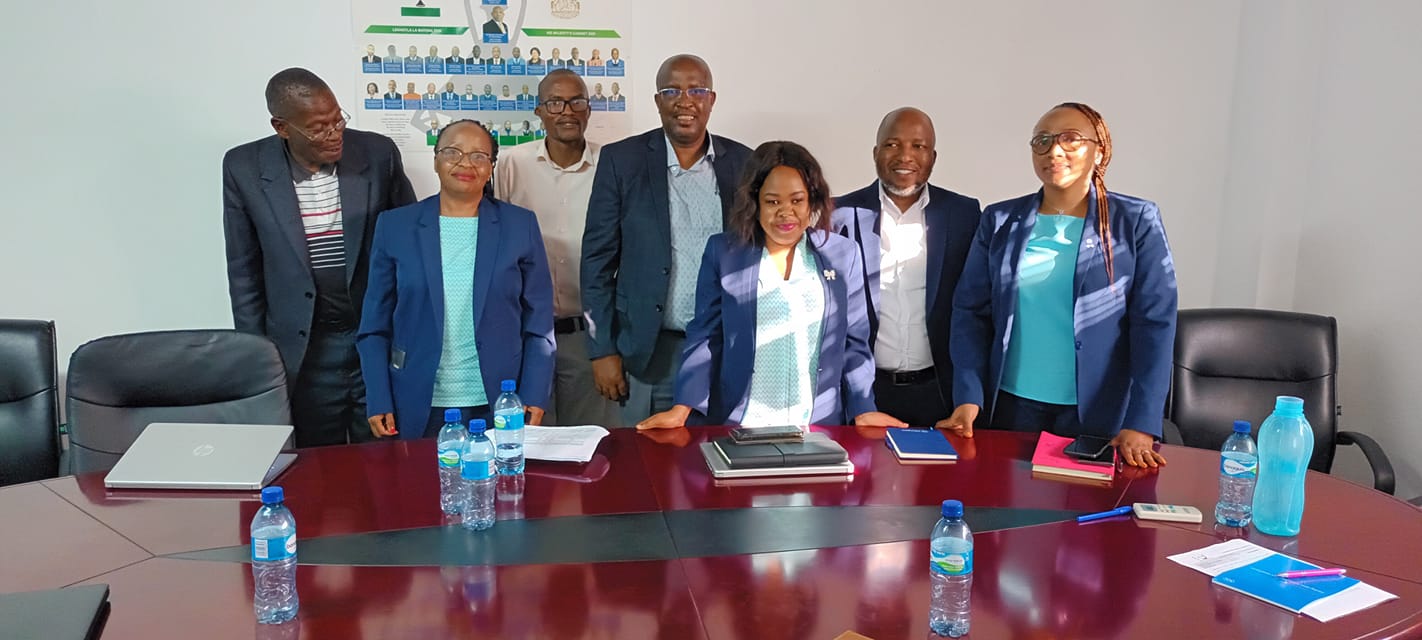
MEETING WITH NDSO IN NOVEMBER 2022
Engagement with NDSO supported dialogue on access to treatment products, procurement planning and stronger coordination for bleeding disorder care in Lesotho.
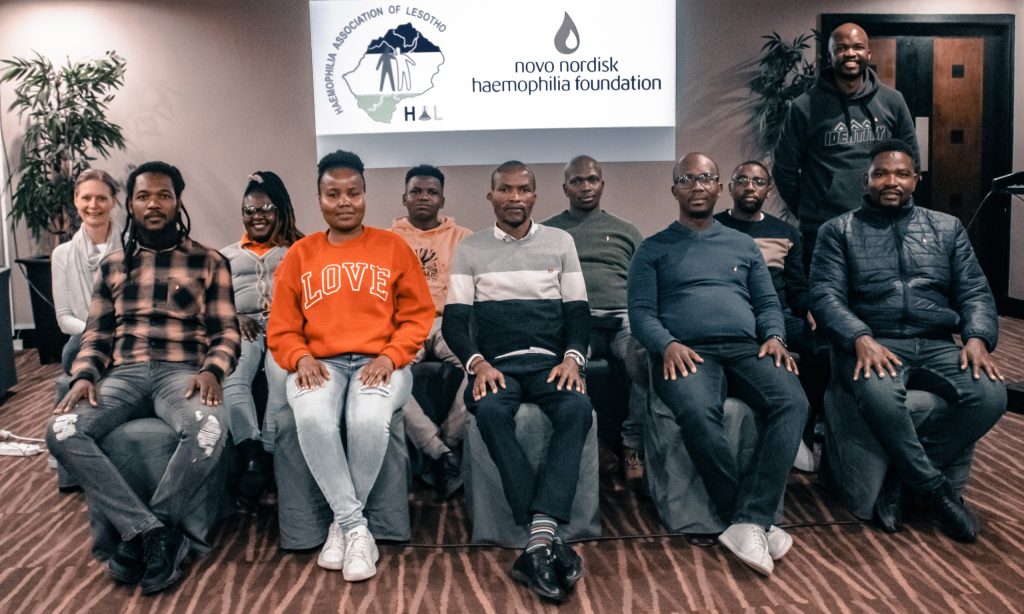
ADVOCACY WORKSHOP IN JULY 2024
HAL held an advocacy workshop in Maseru focused on key messages, target decision makers, beneficiaries and how advocacy can enable sustainable access to care and treatment.
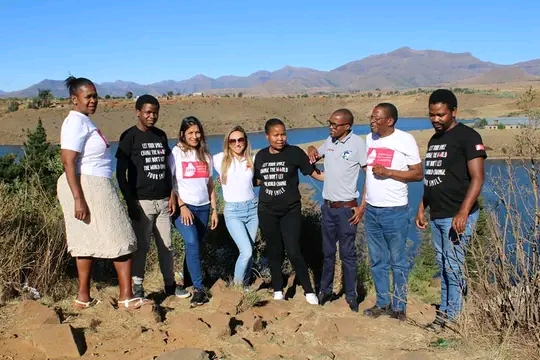
HAM AND HAL MEETING IN JULY 2022
HAL continued regional collaboration through engagement with the Haemophilia Association of Mauritius, sharing experience on patient support, advocacy and care delivery.
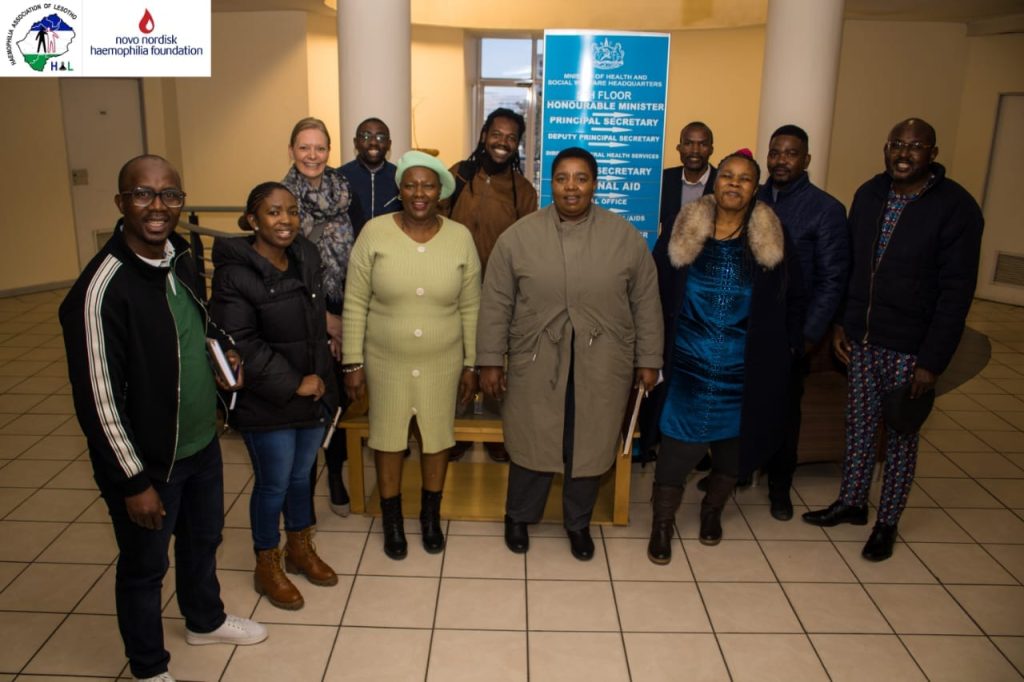
HAL, NNHF AND MOH DG MEETING IN JULY 2024
HAL, NNHF and the Ministry of Health Director General discussed strengthening haemophilia care, patient support, partner coordination and access to treatment.
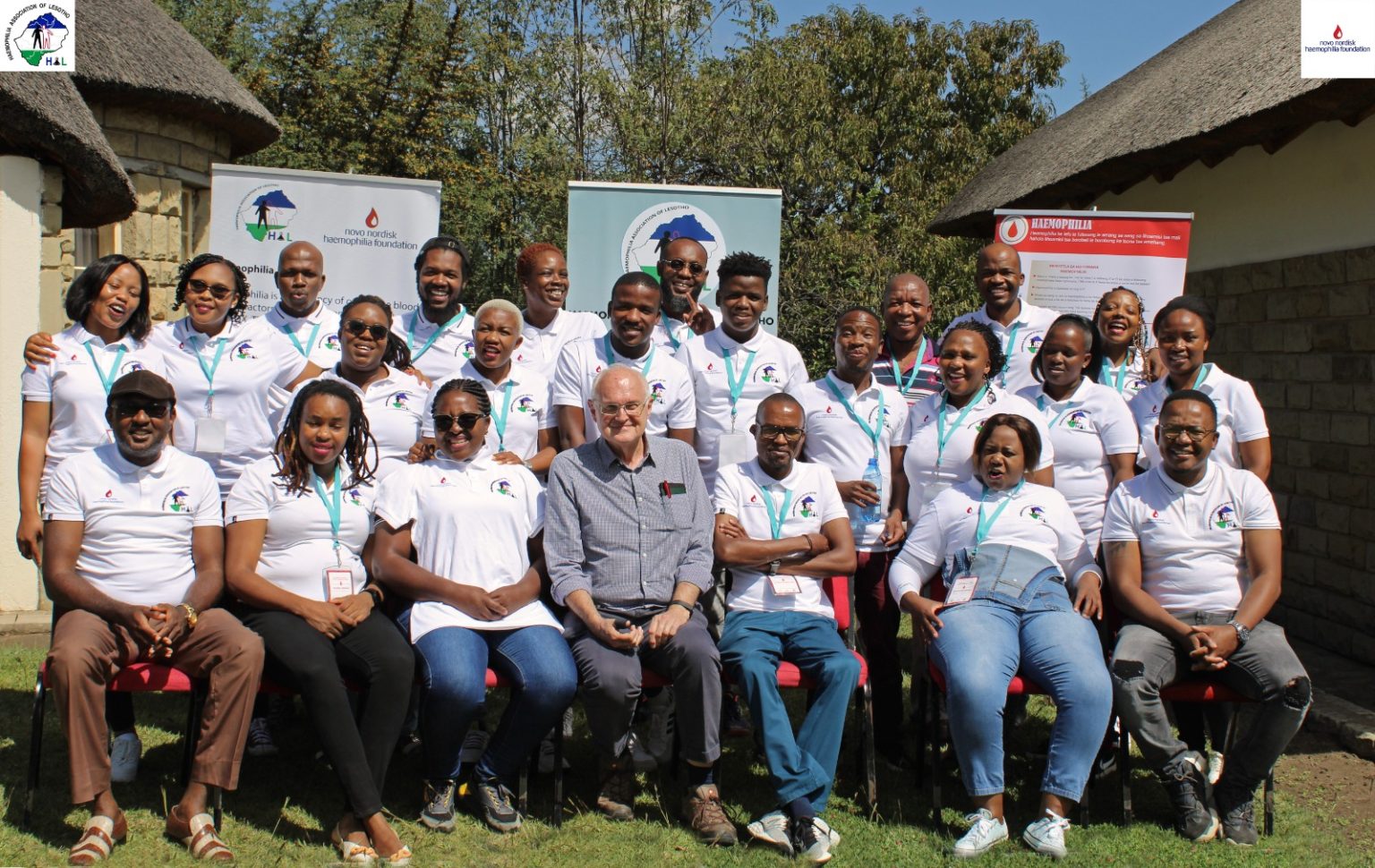
Stakeholder engagement with MOH Director general and her team
This engagement brought HAL and health sector decision-makers together to highlight patient needs, service gaps and opportunities to improve care pathways.
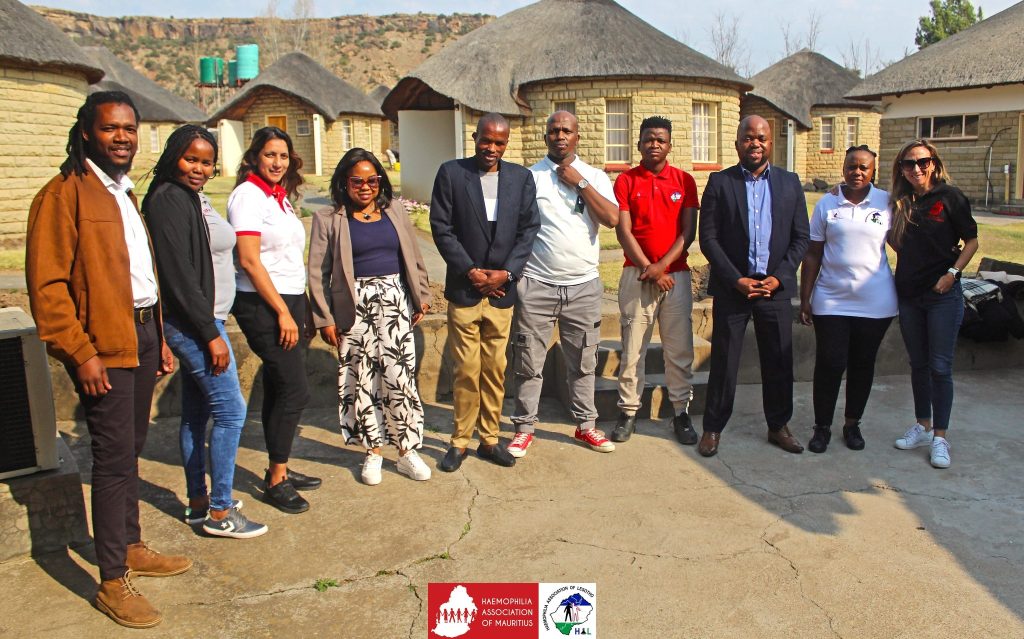
HAL,HAM AND NDSO IN JULY 2024
HAL, HAM and NDSO discussed collaboration opportunities, access to care, patient identification and support for sustainable treatment pathways.
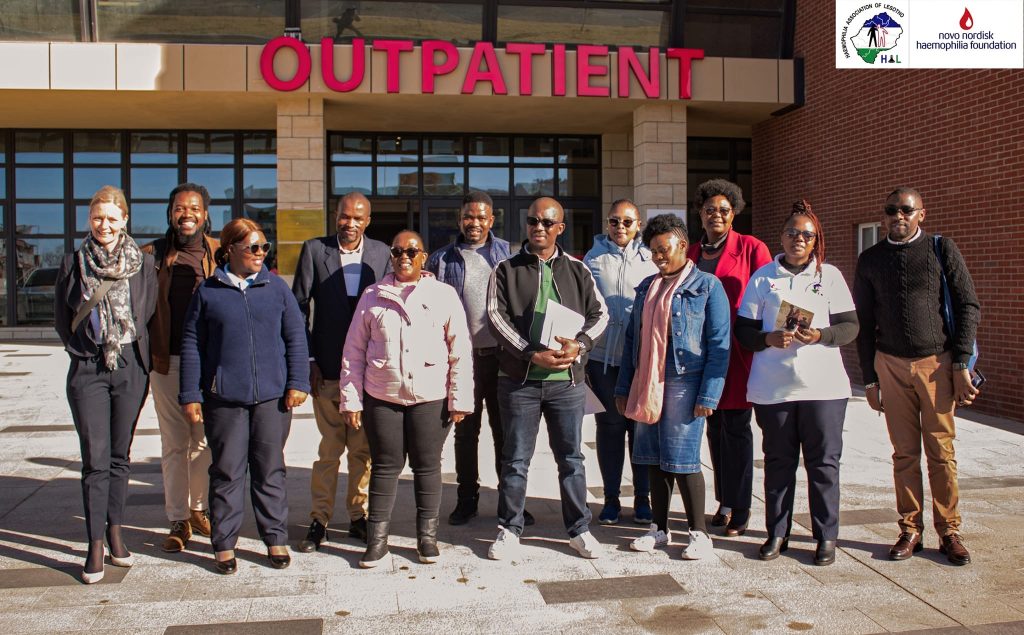
HAL, NNHF AND NDSO AT MASERU DISTRICT HOSPITAL IN JULY 2024
The engagement at Maseru District Hospital supported practical coordination between patient representatives, healthcare teams and partners.
Don’t move, We’ll Handle Everything
This message reflects HAL’s commitment to stand with families, coordinate support and help patients navigate care, referrals, education and advocacy processes.