Building the national capacity to diagnose, treat and support people with bleeding disorders
Capacity building in Lesotho for haemophilia care focuses on strengthening healthcare systems through collaboration between HAL and key stakeholders, including the Ministry of Health, the World Federation of Hemophilia, National Drug Services Organization, South African Haemophilia Foundation and the Haemophilia Association of Mauritius. These partnerships help improve clinical knowledge, diagnostic capacity, treatment planning and patient support across the country.
HAL's capacity building work brings together healthcare professionals, patient leaders, families and partner organisations. The goal is to make care more available, more consistent and more sustainable, especially for people living outside major urban centres.
Healthcare worker training
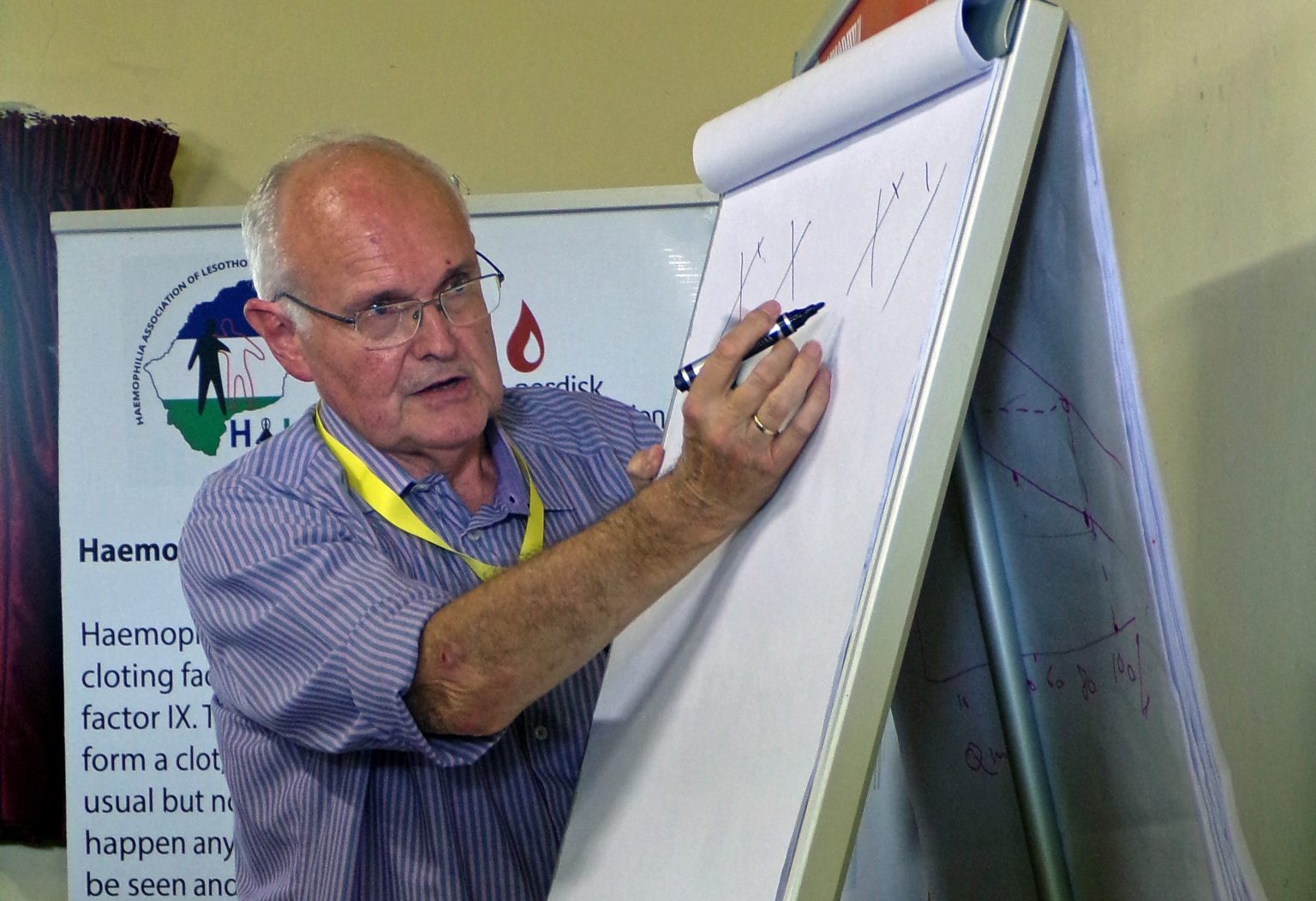
Training programmes support doctors, nurses, laboratory personnel and other health workers with practical knowledge on recognising bleeding symptoms, responding to bleeds, improving referrals and supporting long-term patient care.
Diagnostic capability
Improved diagnosis is central to better care. HAL works with partners to strengthen awareness of laboratory testing, clinical assessment and referral pathways so suspected cases can be identified earlier.
Treatment access and procurement
Capacity building also includes engagement around treatment availability, factor replacement, modern therapies and the systems needed to ensure medicines reach patients safely and consistently.
Patient and youth empowerment
Programmes such as youth camps and peer learning help young people and families understand self-management, safe activity, treatment adherence and advocacy for their own health needs.
Key capacity-building activities
HCP step-down training
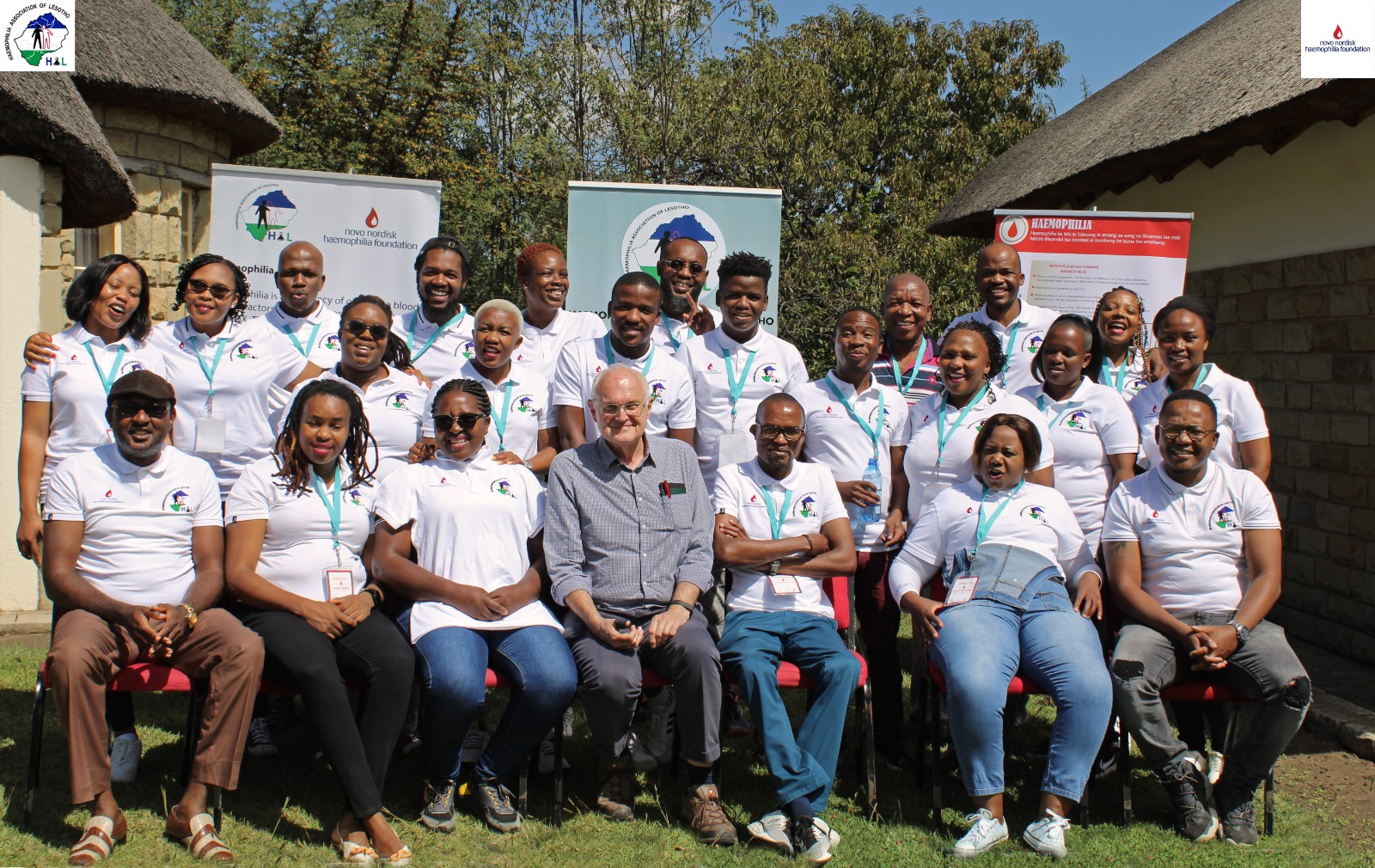
HAL supports step-down training for healthcare professionals from different districts and departments. These sessions help transfer knowledge from specialised trainers to frontline health workers who interact directly with patients and families.
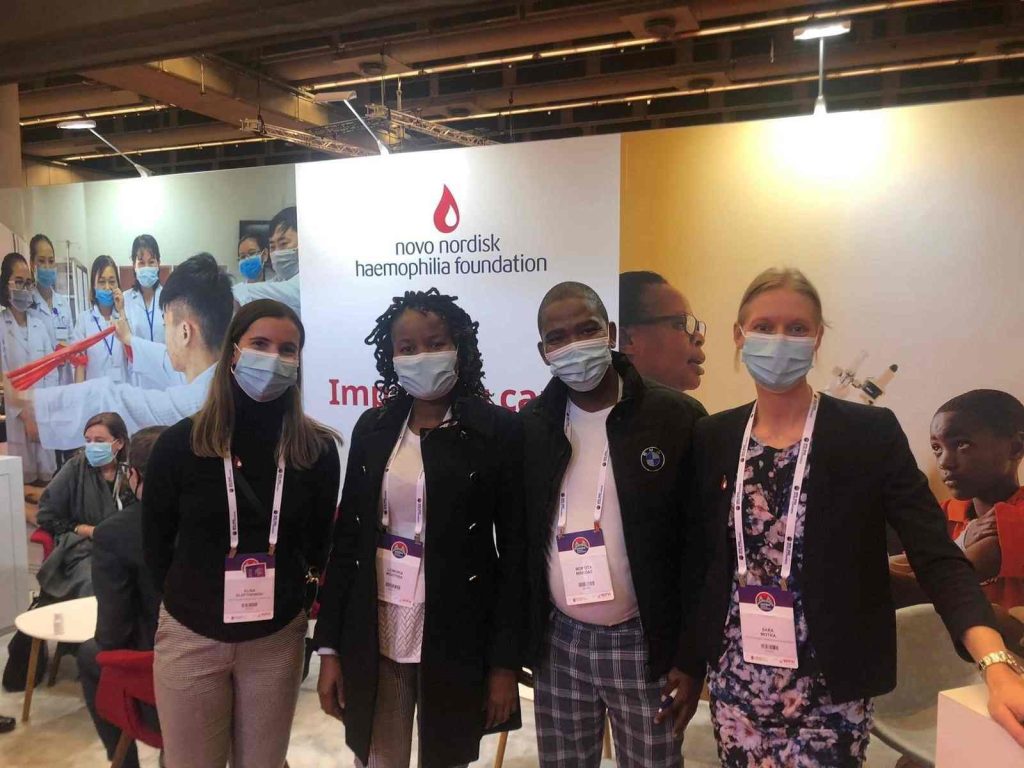
Twinning and regional learning
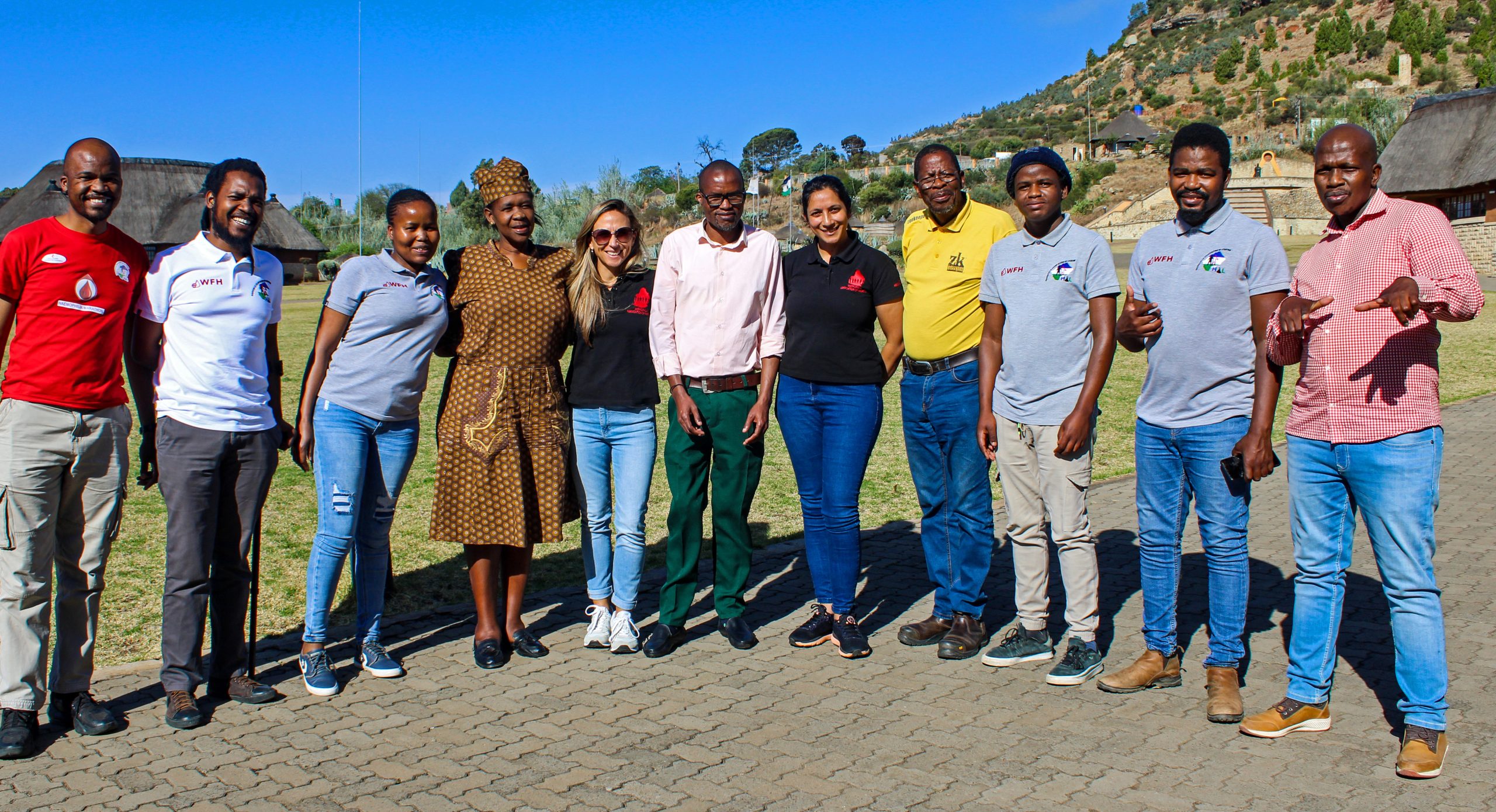
Through twinning and regional collaboration, HAL benefits from shared experience with partner associations. This includes practical planning on advocacy, treatment access, governance, patient education and care delivery.
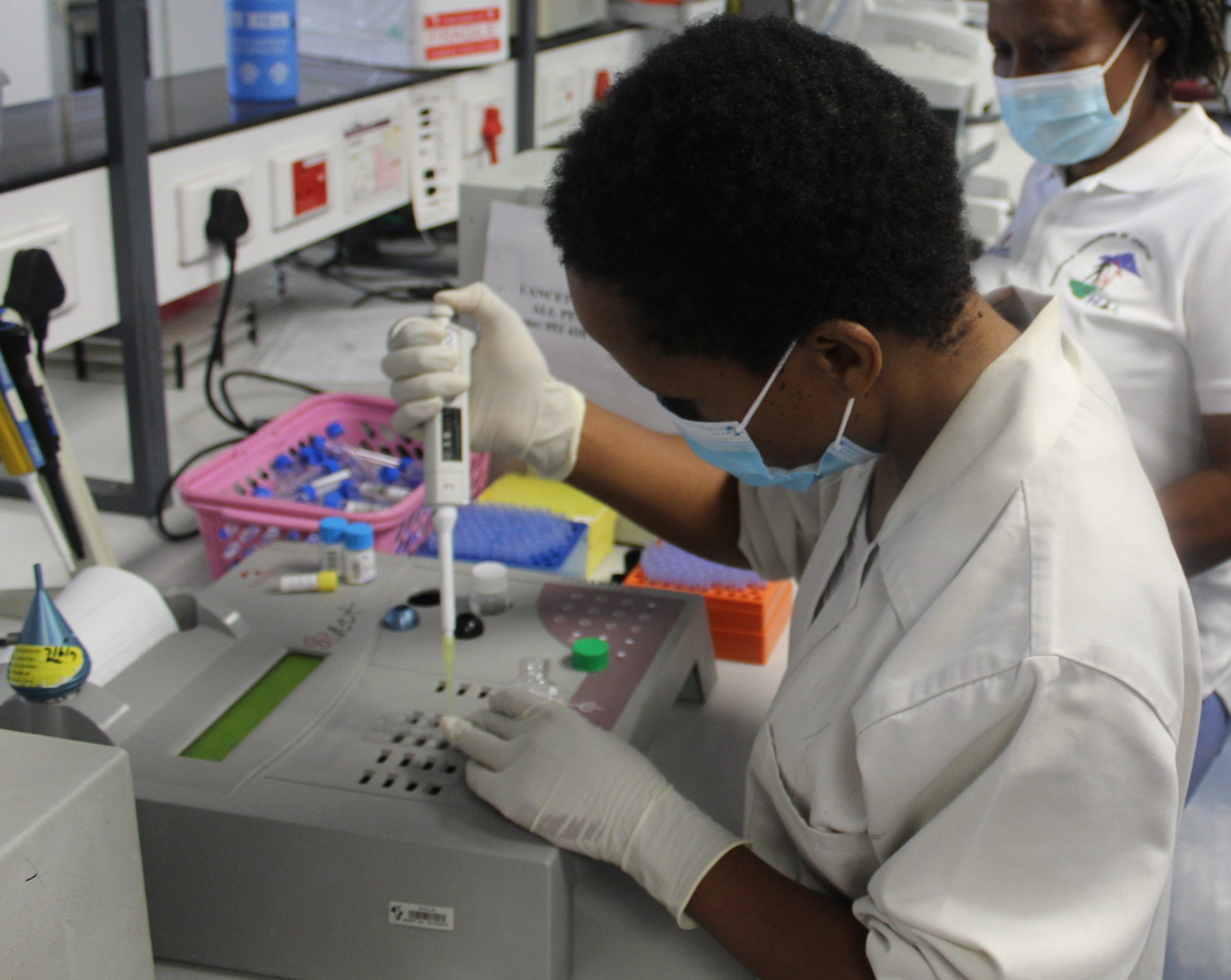
Bloemfontein and cross-border training
Where specialised expertise is available regionally, HAL uses cross-border learning opportunities to expose team members and health workers to comprehensive care practices that can be adapted for Lesotho.
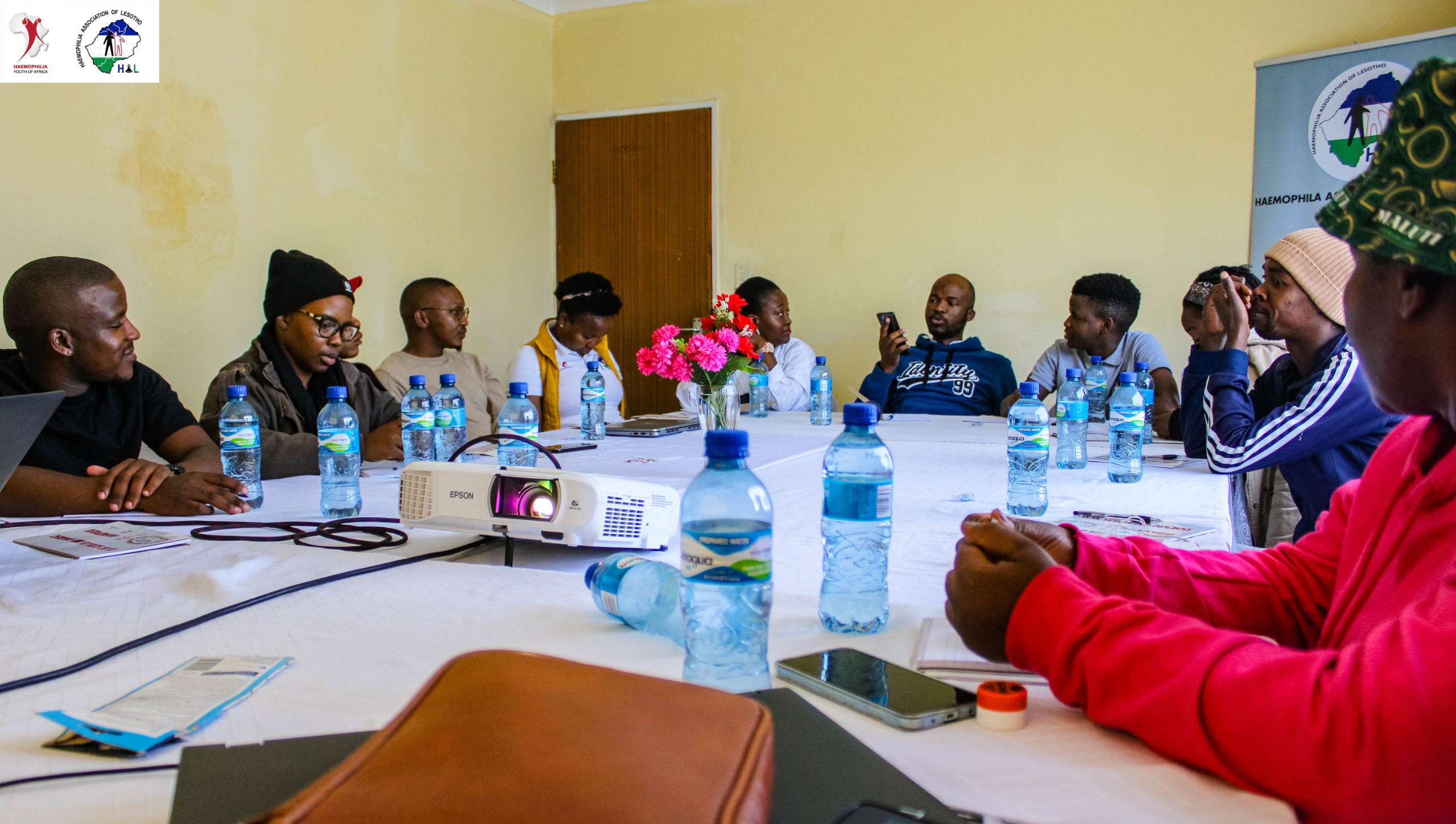
HAL Youth Camp
Youth camp activities help young people living with bleeding disorders learn about their condition, build confidence, connect with peers and become stronger advocates for safe and effective care.
Why this matters
Without trained teams and clear systems, people with bleeding disorders can remain undiagnosed or receive delayed treatment. Capacity building helps close that gap by improving knowledge, coordination and preparedness at every level of care.